



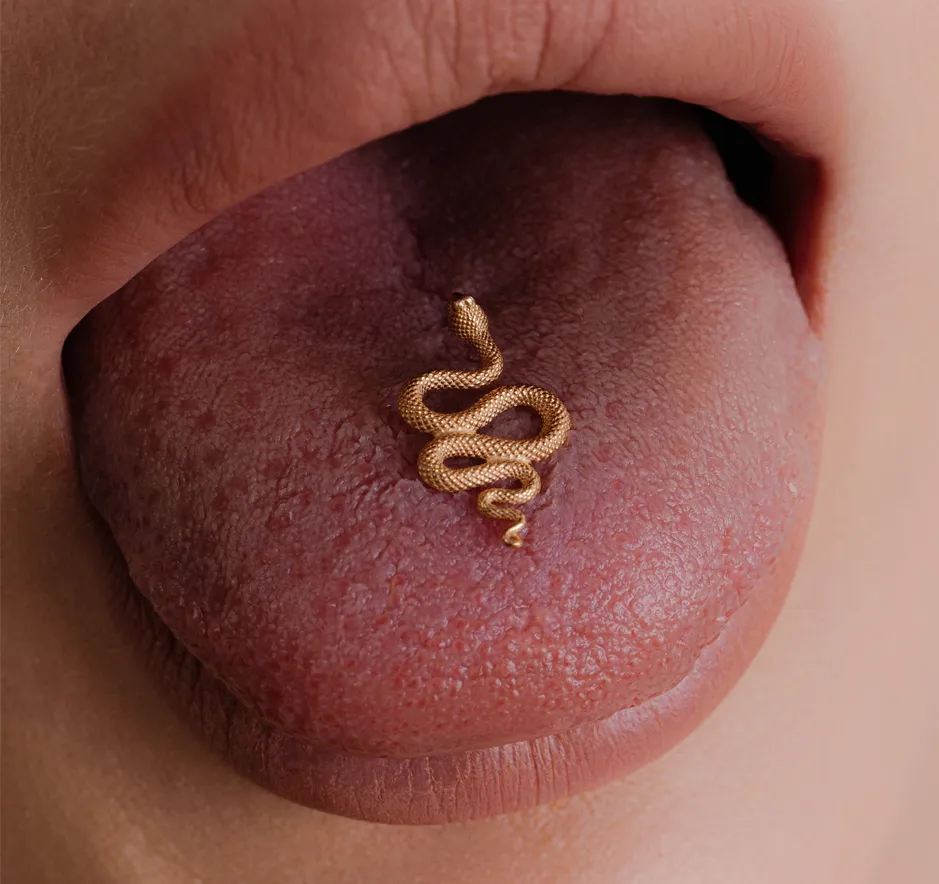
Piercing – how to care for a healed piercing?
Piercing is a great way to express your personality and add a unique style to your look. Once a piercing has fully healed, many people feel there is no longer any need to look after it. That is a mistake. Even a healed piercing needs regular care to stay healthy and beautiful and to avoid later complications. In the following article, we will show you how to properly care for a healed piercing and which habits are worth keeping.
Why is care important even after healing?
Many people believe that once a piercing has healed, it no longer needs attention. In reality, even after several months or years, irritation, inflammation, or even infection can occur. The cause may be poor hygiene, unsuitable jewelry, or excessive handling. Proper care helps you prevent unpleasant problems and keeps your piercing healthy in the long term.
Cleanliness comes first
A piercing is a small wound that has healed, but it remains a sensitive spot on the body. That is why you should still pay attention to hygiene even after it has fully healed.
-
Clean the jewelry regularly – from time to time, it is a good idea to remove the jewelry and clean it gently, ideally in a solution designed for jewelry or in sterile saline solution.
-
Shower instead of bathing – when bathing in a tub, bacteria from the water can get into the piercing. A shower is the safer option.
-
Cosmetics and perfume – avoid applying creams, perfumes, or makeup directly to the piercing site, as they can irritate it.
Avoid unnecessary touching
One of the most common causes of piercing irritation is frequently touching the jewelry. Even when it has already healed, contact with your hands can transfer bacteria. If you need to adjust the piercing or remove the jewelry, always wash your hands with soap and water first. Never handle the jewelry outdoors or in a place where you cannot properly disinfect your hands.
Changing jewelry
After healing, jewelry can be changed, but quality always matters.
-
Use only jewelry made from quality materials, such as titanium, gold, or surgical steel. Cheap alloys can cause allergies or irritation.
-
Sterility is essential – new jewelry should be sterile. If you are not sure whether your jewelry is suitable, it is better to visit a professional piercer.
-
Style and size – make sure the new jewelry is the right size and is neither too tight nor too loose. An unsuitable size can cause pain or shift the piercing.
Regularly check its condition
Even if the piercing has healed, check its condition from time to time. Watch in particular for:
-
redness or swelling,
-
discharge or pus,
-
pain when touched.
If any of these symptoms appear, do not hesitate to contact a professional. A timely response can save you a great deal of discomfort.
Lifestyle and piercing
Your lifestyle also affects the condition of a piercing. Sports, saunas, and swimming in a pool or the sea can all affect sensitive areas. If you do these activities often, pay extra attention to hygiene and check and, if needed, clean the piercing after each activity.
Also keep in mind that a piercing on the face or ears can be exposed to cosmetics or hair products. Always try to prevent these products from getting directly into the piercing site.
Summary
A piercing is not just a fashion accessory, but also a commitment to a certain level of care. Even after it has fully healed, it is important to:
-
keep it clean,
-
avoid unnecessary touching,
-
choose quality jewelry,
-
monitor its condition and see a professional if problems arise.
By following these principles, you will ensure that your piercing stays not only beautiful but also healthy for many years. Whether it is a piercing in the ear, nose, or tongue, proper care is the key to long-term satisfaction.
Recommended materials for jewelry
Choosing the right jewelry material is essential for the long-term health of a piercing. The safest choice is titanium, which is lightweight, durable, and completely hypoallergenic. If you want a more luxurious look, gold jewelry is an elegant and timeless option that is also suitable for sensitive skin. Surgical steel is affordable and very popular, but you need to make sure the jewelry meets strict quality standards. Avoid cheap costume metals, which can release nickel and cause allergic reactions. Investing in quality jewelry always pays off – it not only lasts longer, but above all keeps your piercing healthy.


